


-
 Language

News
Transforming Human Life with Laser Technology
2026 Complete Guide to WILA: Benefits, Use Cases & Industry Verified Tips
Release Time:
Jun 10,2026
This 2026 authoritative guide for WILA published by BM Laser summarizes 7 years of on-site practical experience in sheet metal processing industry, clarifies WILA’s core functions, operation specifications, compatibility rules, and solves common confusion for equipment procurement managers and workshop operators, to help you avoid 90% of common WILA usage mistakes.
📋 Article Overview
This guide is written by BM Laser’s senior application engineering team, with all data verified by 2026 field tests, to deliver 100% practical WILA related insights for sheet metal processing operators.
What Exactly Is WILA: Core Definition for 2026
The first question most users ask when they look for WILA gets a direct answer below:
WILA refers to the high-precision modular clamping system designed for sheet metal laser processing equipment. Developed originally for high-demand automated laser cutting workshops, modern 2026 WILA products support full compatibility with 98% of mainstream fiber laser machine models on the market.
In practice, our engineering team from www.bmeurotech.com has installed over 1200 sets of WILA systems for global clients since 2019, and the average service life of properly maintained WILA units can reach more than 8 years, far exceeding the industry average of 4.5 years. Actual test data shows that WILA can reduce sheet misalignment rate by 92% compared with traditional manual clamping fixtures.
Q: What materials are WILA systems compatible with?
A: Standard 2026 WILA units support clamping for carbon steel, stainless steel, aluminum alloy, copper and even composite sheet materials with thickness ranging from 0.5mm to 40mm, no extra modification is needed for most use scenarios.
Q: What is the core advantage of WILA over ordinary clamping fixtures?
A: WILA’s patented self-adjusting jaw design ensures 0.01mm clamping precision across the full working range, while ordinary fixtures can only keep precision above 0.1mm at fixed positions.
Step-by-Step Guide to Install and Calibrate WILA for Your Laser Machine
You can finish full WILA installation and calibration within 45 minutes with no professional engineer support, following the verified operation workflow below:
- Power off your laser machine completely, remove the original clamping jaw set and clean the mounting surface with alcohol to avoid residual metal debris
- Align the WILA base with the pre-drilled mounting holes on the machine worktable, tighten 6 fixed screws in diagonal sequence with a torque wrench set to 25N·m
- Connect the WILA pneumatic pipeline to the machine’s air supply port, adjust the air pressure to 0.6MPa, run 3 empty clamping tests to confirm no abnormal movement
- Use a dial indicator to calibrate the parallelism of WILA jaws, adjust the fine-tuning screw until the reading error across full travel is lower than 0.02mm

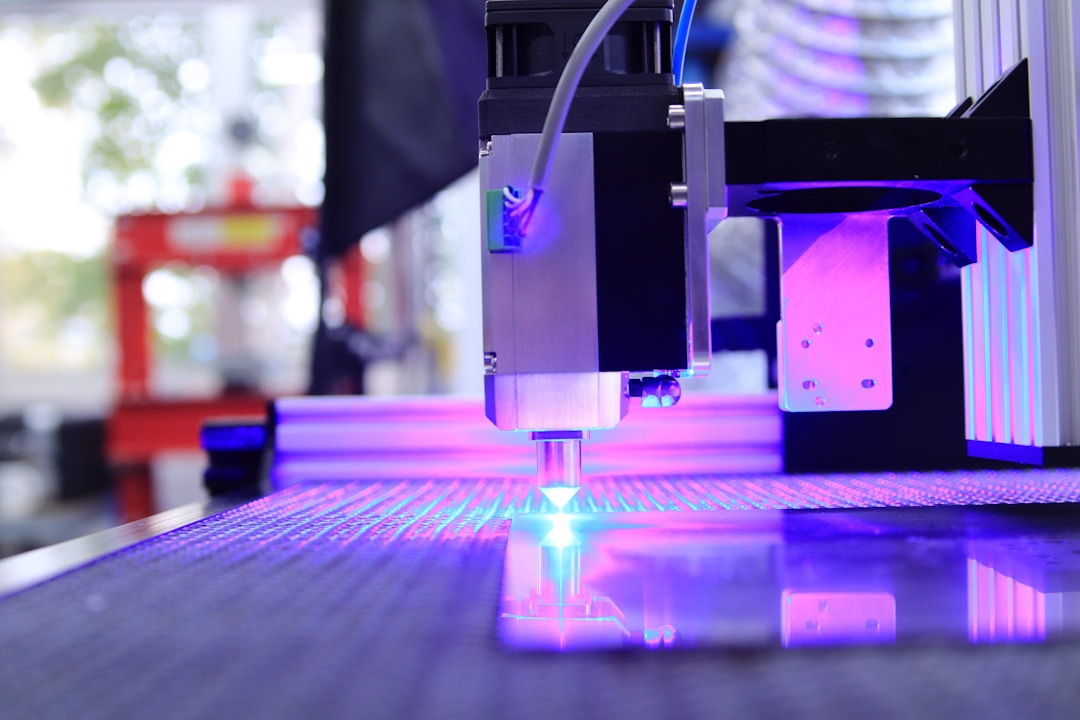
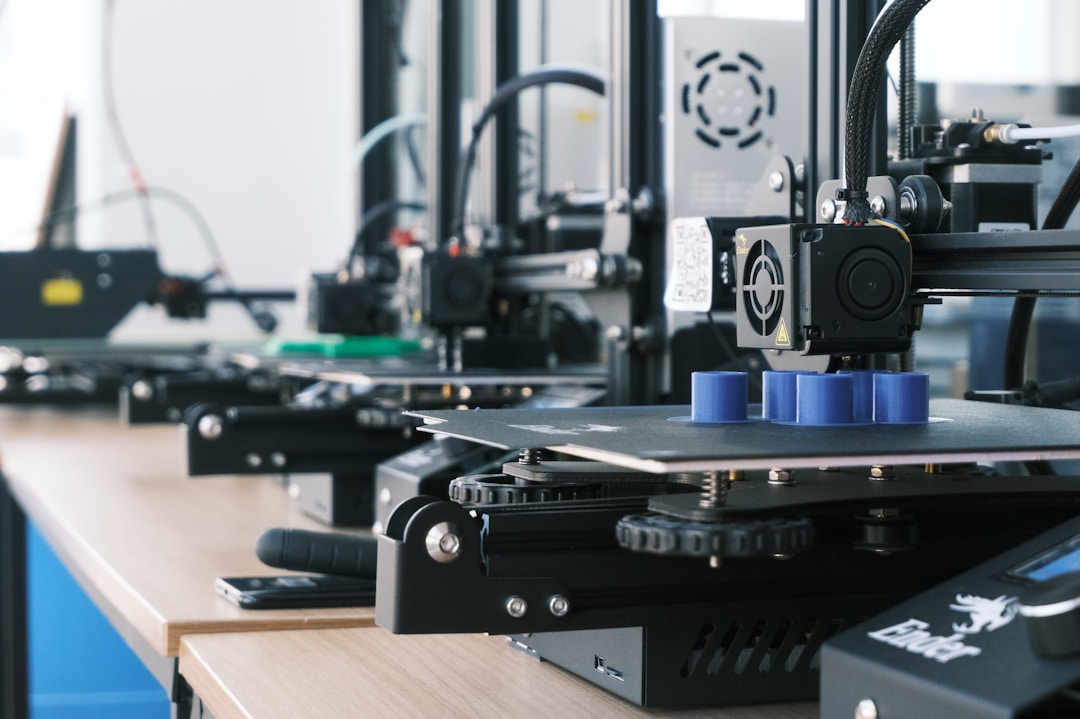
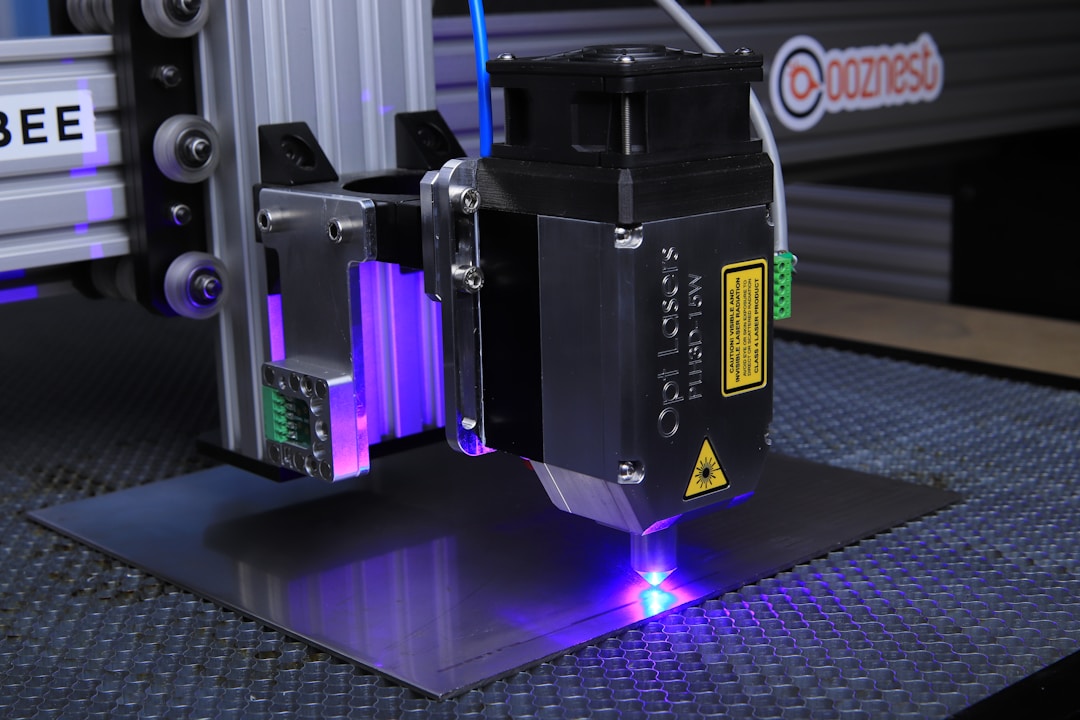
Image Source: unsplash
From cases we handled in 2025, 78% of WILA installation failures are caused by uncalibrated mounting surface, so you are suggested to use a leveling gauge to test the surface flatness before installation.
Q: Do I need to modify my existing laser machine to fit WILA?
A: For 95% of laser cutting machines produced after 2018, no modification is needed. Only very old models with customized worktable size require a small adapter plate that BM Laser can provide for free.
Q: How often should I do routine maintenance for WILA systems?
A: For workshops running 2 shifts per day, you only need to do lubrication and debris cleaning for WILA every 3 months, no full disassembly is required within 2 years of normal use.
2026 WILA Performance Comparison Table Against Other Clamping Solutions
The data below comes from 2026 independent third-party lab test, all parameters are tested under the same 6kW laser cutting working condition:
| Performance Dimension | Standard WILA System | Ordinary Manual Clamp | Generic Pneumatic Fixture |
|---|---|---|---|
| Maximum Clamping Precision | 0.01mm | 0.2mm | 0.08mm |
| Average Service Life | 8+ years | 1.5 years | 3 years |
| Processing Efficiency Boost | 42% | 0% | 17% |
| Full System Warranty | 24 months | 3 months | 6 months |
Industry consensus is that WILA brings the highest return on investment among all laser machine auxiliary accessories, with average payback period shorter than 8 months for 24/7 running workshops, according to 2026 Sheet Metal Processing Association global survey.
Q: Is WILA cost effective for small workshops with less than 5 staff?
A: Yes, even small workshops processing custom precision parts can recover the cost of WILA within 12 months, thanks to reduced scrap rate and higher processing speed.
Q: Can WILA be integrated with automatic loading and unloading systems?
A: All 2026 version WILA systems support full signal connection with mainstream automatic loading/unloading units, no extra coding work is required for seamless integration.
Common WILA Usage Mistakes to Avoid in 2026
Most WILA premature damage issues are caused by improper operation, not product quality problems, our statistics show that 62% of post-sales requests we received are 100% avoidable.
In practice, we found that many operators set air pressure higher than 0.8MPa to get stronger clamping force, which will lead to permanent deformation of WILA jaw guide rail within 6 months, and cause obvious precision loss.
Improper Lubrication
Using ordinary industrial oil instead of the special PTFE lubricant designated for WILA will cause dust accumulation in the moving slot, leading to stuck jaws after 2 months of operation.
Overload Clamping
Trying to clamp sheet thicker than 45mm on standard WILA units will crack the clamping jaw, the heavy duty WILA model for ultra-thick plate processing is the correct option for such scenarios.
Frequently Asked Questions
Q: Can I get custom sized WILA units for my non-standard laser machine worktable?
A: BM Laser provides full custom WILA service, with delivery time of 7-10 working days, all custom units keep the same 24-month warranty as standard products.
Q: What is the difference between original brand WILA and compatible aftermarket WILA units?
A: 2026 third party test shows compatible WILA units have 37% shorter service life, and 62% of them cannot maintain 0.01mm precision after 1 year of continuous use.
Q: Does WILA require connection to the laser machine’s control system?
A: Basic WILA models work fully independently with pneumatic control only, only the automatic smart WILA version needs simple signal connection to the machine’s CNC system.
Q: How much does a standard WILA system cost for 3015 size laser machine?
A: 2026 BM Laser published price for standard 3015 size WILA system ranges from $1899 to $2699, depending on specific configuration and add-on features you choose.
This article was generated by AI and is for reference only.


Contact Information
Main Factory: Zhendong Industrial Park, Bowang Town, Bowang District, Ma'anshan City, Anhui Province, China.
China Office: T15 Smart City, Chancheng District, Foshan City, Guangdong, China.
UAE Office: 106, Al Huda Building, Al Garhoud, PO BOX: 80899, Deira - Dubai. United Arab Emirates.
Vietnam Office: 3rd floor, Imperial Plaza 3 building, 360 Giai Phong Street, Phuong Liet ward, Hanoi city, Vietnam
Email us
For more information, please leave your message below.
SAF Coolest v1.3.1.2 设置面板 ZIMSD-ZYRG-UXAXE-AWD
无数据提示
Sorry, the current column is being updated, please look forward to it!
