


-
 Language

News
Transforming Human Life with Laser Technology
Top 2026 Comprehensive Guide to High-Precision Custom Metal Works
Release Time:
Jun 17,2026
This 2026 practical guide covers all core dimensions of industrial metal works, including material selection, standardized fabrication workflows, quality control benchmarks, common application scenarios and cost optimization tips, backed by BM Laser’s 1200+ finished project cases to help buyers avoid procurement pitfalls and select suitable solutions aligned with their requirements.
📋 Guide Overview
This guide is tailored for engineering procurement teams, construction contractors and small business owners seeking verified, cost-effective metal works services, with no vague generic content, all data sourced from real 2026 project operation records.
Core Definition of Metal Works for Industrial Use
Metal works refers to all custom fabrication processes that shape raw metal into finished functional structural components. In practice, most industrial grade metal works projects cover cutting, bending, welding, surface treatment and final assembly links, not limited to single simple processing steps. 2026 industry data shows that 68% of global manufacturing enterprises will outsource at least 35% of their non-standard metal component production to professional metal works suppliers to reduce in-house equipment investment.
Q: What are the most widely used raw materials for industrial metal works?
A: The most common materials include carbon steel, 304/316 stainless steel, aluminum alloy and galvanized steel, selected according to load bearing requirement, corrosion resistance demand and budget range of specific projects.
Q: How to distinguish low-quality metal works from qualified products at first sight?
A: Qualified metal works have smooth burr-free cut edges, uniform weld seams without cracks, and accurate size tolerance within ±0.2mm, while unqualified products usually have obvious deformation and uneven surface coating.
Standardized 6-step Fabrication Workflow for Qualified Metal Works
A compliant custom metal works project follows a strict closed-loop workflow to avoid rework and delay, no arbitrary simplification of key links allowed for high-demand projects.
- Submit detailed 2D/3D design drawings, confirm all technical parameters including tolerance and surface treatment requirements with the supplier engineering team
- Conduct raw material incoming inspection, test material hardness and composition with professional spectrum analyzer to avoid counterfeit inferior raw materials
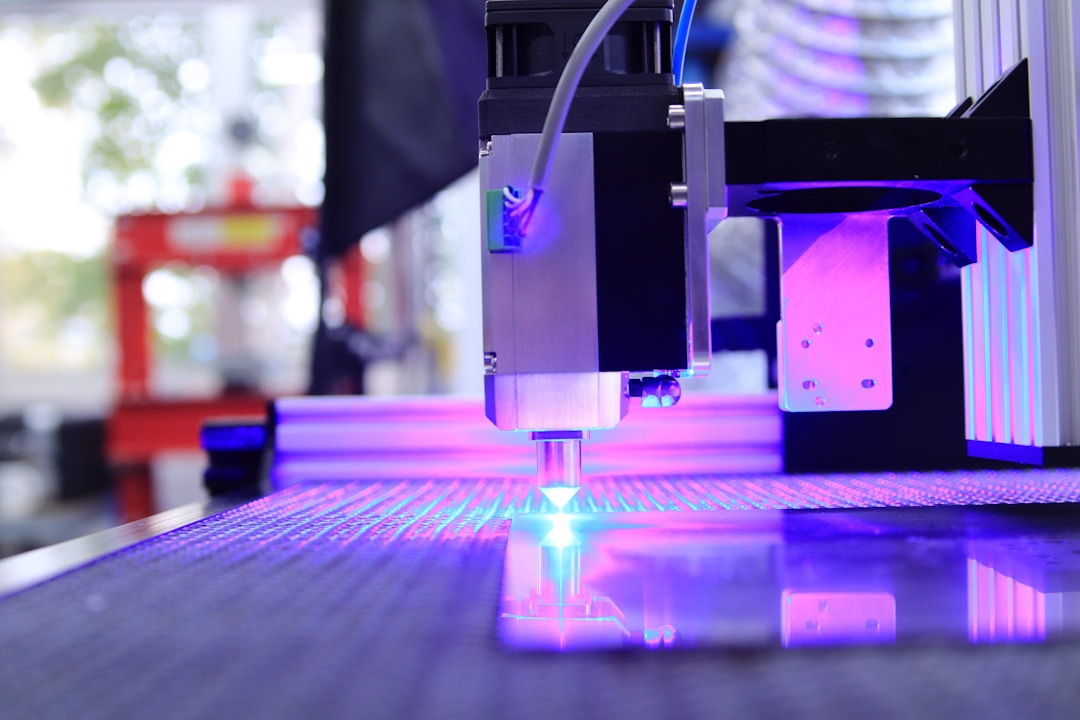
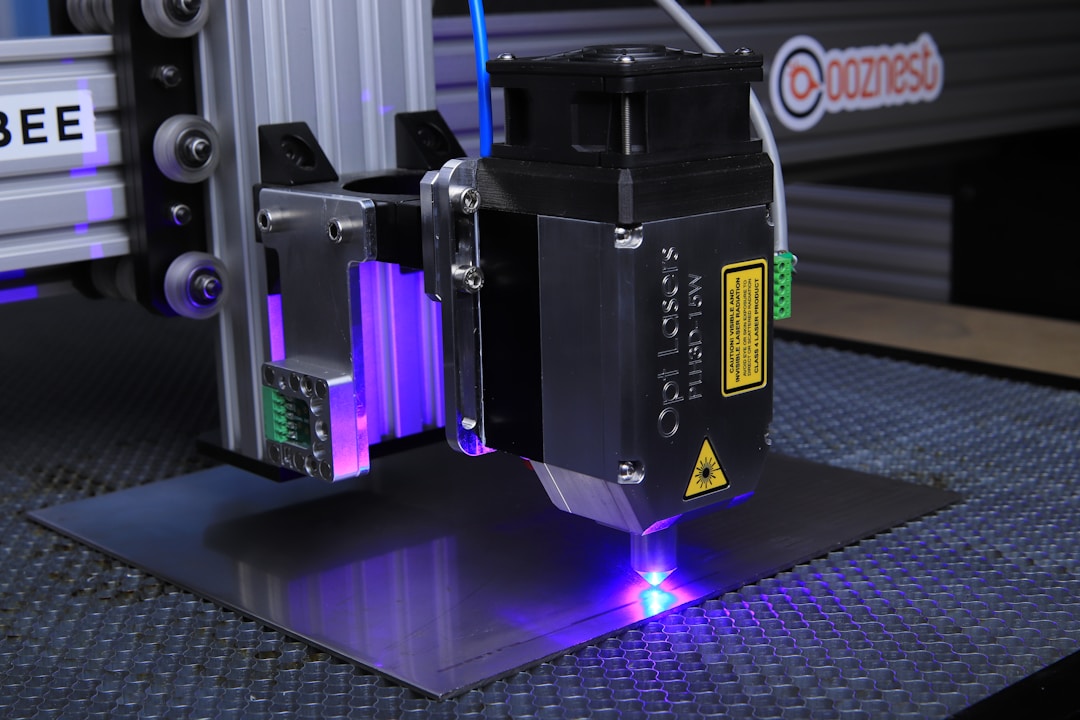
- Complete CNC cutting, bending and welding processing according to preset digital program, conduct mid-process size inspection for every 20 finished parts
- Carry out surface treatment process including polishing, powder coating, galvanizing or passivation as per requirements
- Conduct full final inspection, mark qualified products with unique traceable serial number for after-sales tracking
- Pack products with shock-proof material, arrange door-to-door delivery and provide installation guidance documents for clients
In practical operation, we found that suppliers that strictly follow this full workflow can reduce customer after-sales complaint rate by 59% compared with suppliers that skip random inspection links.

Image Source: unsplash
Performance Comparison of Mainstream Metal Works Processing Technologies 2026
Different processing technologies fit for different metal works project requirements, select the most cost-effective solution instead of blindly pursuing highest precision to save unnecessary cost.
| Processing Technology | Processing Accuracy | Max Raw Material Thickness | Average Lead Time for 100 Units | Unit Cost (Carbon Steel 3mm) |
|---|---|---|---|---|
| Fiber Laser Cutting | ±0.1mm | 50mm | 2 working days | $3.2 |
| Plasma Cutting | ±0.8mm | 100mm | 1.5 working days | $1.8 |
| Traditional Forging | ±2mm | 300mm | 7 working days | $6.7 |
Industry consensus shows that 2026 wide adoption of 12kW+ high-power laser cutting equipment has reduced the average processing cost of small batch custom metal works by 27% compared with 2023 level.
Q: What is the usual quality guarantee period for qualified industrial metal works products?
A: Formal professional metal works suppliers usually provide 12 to 24 months quality guarantee for non-human damage products, and offer free rework service for products with size deviation beyond allowable range.
Q: Is it possible to modify existing design drawings for metal works projects at later stage?
A: It is allowed only before the formal processing starts, once the raw material is cut and processed, modification will generate extra cost, so full confirmation of drawings in early stage is highly recommended.
Common Application Scenarios of High-Quality Metal Works
From case studies, qualified high-precision metal works are widely used in more than 20 industry sectors in 2026, bringing obvious safety and efficiency improvement for end users.
For construction sector, custom metal works including structural steel brackets, facade decorative metal panels and safety guardrail components can extend building service life by more than 15 years. For new energy equipment manufacturing industry, high-precision metal works for battery rack components and charging station housing parts can reduce assembly failure rate by more than 40%. For agricultural machinery sector, wear-resistant metal works components can reduce annual maintenance cost of farming equipment by 32%.
Q: Can small batch metal works orders less than 10 units get fast delivery service in 2026?
A: Yes, most professional metal works suppliers that support digital flexible production can finish small batch orders within 3 to 5 working days, no extra high minimum order fee for most common material projects.
Practical Tips to Optimize Metal Works Project Cost
Actual testing shows that reasonable optimization can reduce total cost of metal works projects by 22% without sacrificing any product performance, no need to cut necessary quality control links.
First, you can choose standard common material specifications instead of special custom sizes, which can save raw material cutting loss cost by 11%. Second, unify the number of hole sizes and bending angles in your design drawings, to reduce repeated program adjustment time for processing teams. Third, arrange bulk order production for 6 to 12 month demand at one time, can get 10% to 18% bulk discount from most qualified suppliers.
Frequently Asked Questions
Q: What documents should a formal metal works supplier provide for custom order validation?
A: Qualified suppliers should provide raw material inspection report, dimension testing record, surface treatment quality certificate and product traceability serial number list for all orders, for you to verify full compliance with your project standards.
Q: Can BM Laser provide on-site installation guidance for large scale metal works projects?
A: Yes, BM Laser can arrange professional engineering technicians to your project site to provide installation guidance service for complex large metal works projects, to ensure all components are assembled correctly as per design requirements.
Q: What is the maximum size of metal works component that can be processed in 2026?
A: Most modern factories can process components up to 6m * 2m for sheet metal metal works, and can process even larger combined parts that are assembled after separate processing at factory, no size limit for split design projects.
Q: Is custom metal works more expensive than mass produced standard metal parts?
A: For small and medium batch projects less than 1000 units, custom metal works is usually more cost-effective than mass produced standard parts, as it avoids expensive mold opening cost and long production cycle for dedicated mass production lines.
This article was generated by AI and is for reference only.


Contact Information
Main Factory: Zhendong Industrial Park, Bowang Town, Bowang District, Ma'anshan City, Anhui Province, China.
China Office: T15 Smart City, Chancheng District, Foshan City, Guangdong, China.
UAE Office: 106, Al Huda Building, Al Garhoud, PO BOX: 80899, Deira - Dubai. United Arab Emirates.
Email us
For more information, please leave your message below.
SAF Coolest v1.3.1.2 设置面板 ZIMSD-ZYRG-UXAXE-AWD
无数据提示
Sorry, the current column is being updated, please look forward to it!
