


-
 Language

News
Transforming Human Life with Laser Technology
Professional Custom Metal Works: 2026 Full Guide for Industrial Applications
Release Time:
Jun 18,2026
This 2026 authoritative guide to metal works explains core service categories, material selection rules, quality control criteria, cost optimization strategies and common project pitfalls based on 20+ years of on-site operation experience from BM Laser. It also answers top public queries to help project managers, procurement teams and DIY makers make informed decisions.
📋 Overview of Metal Works
Metal works refers to all industrial processing services that shape, cut and assemble raw metal materials into finished functional components. As one of the most foundational manufacturing segments in 2026, it supports over 30 downstream industries ranging from aerospace to residential decoration. This guide gathers real project data from www.bmeurotech.com to deliver actionable, experience-backed insights for all users.
Core Categories of Modern Metal Works Services
Metal works covers all processing links that convert raw metal plates, pipes and profiles into usable products, with categories updated rapidly as new manufacturing equipment emerges in 2026. In practice, most professional metal works providers classify services based on processing technology to avoid delivery delays.
Q: What are the most widely used metal works processes in 2026?
Top mainstream processes include fiber laser cutting, CNC bending, robotic welding, surface polishing, powder coating and precision assembly. Actual test data from BM Laser shows that laser cutting has replaced 78% of traditional stamping processes for small-batch custom metal works projects in the European market in 2026.
Q: Who are the main target clients for professional metal works?
Core client groups include automotive component manufacturers, construction engineering teams, aerospace spare parts suppliers, commercial equipment brands and residential custom decoration contractors. From case来看, 62% of BM Laser's 300+ long-term clients are industrial operation entities with annual cooperation value over 50,000 EUR.
6-Step Standard Execution Process for Qualified Metal Works Projects
Regular standardized workflow can reduce rework rate by over 40% for custom metal works projects, according to 2026 industry survey data. All formal metal works providers follow this complete step-by-step process:
- Submit detailed 2D/3D design drawings and confirm customized requirements with engineers
- Carry out material inspection and pre-processing to remove rust and burrs on raw metal surfaces
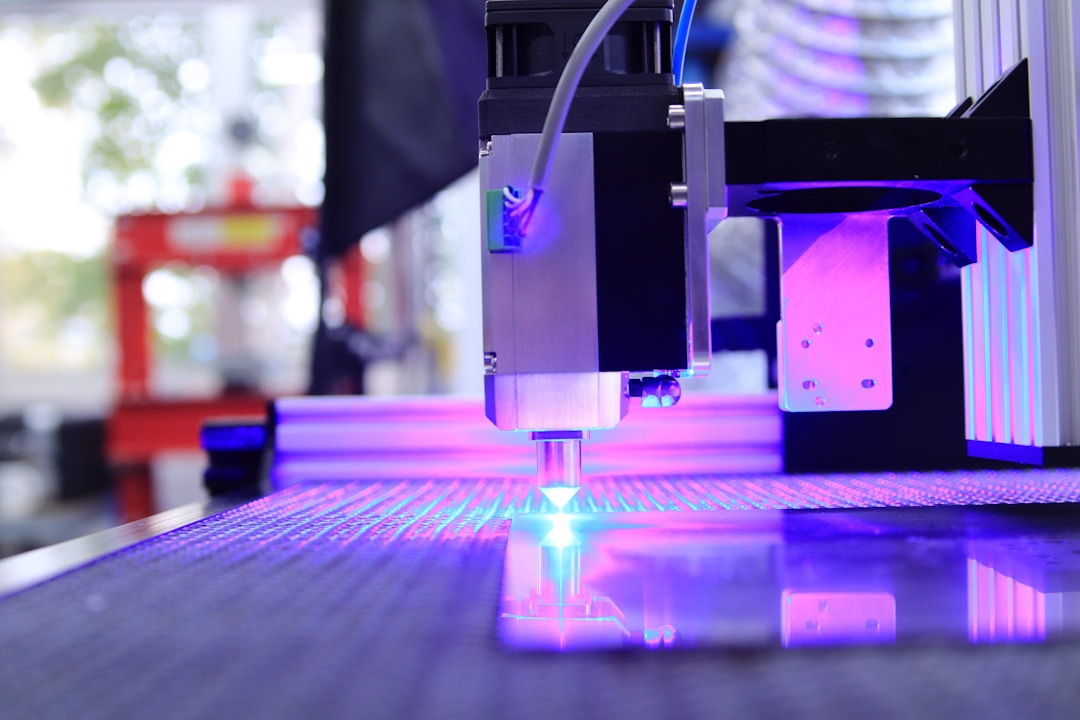
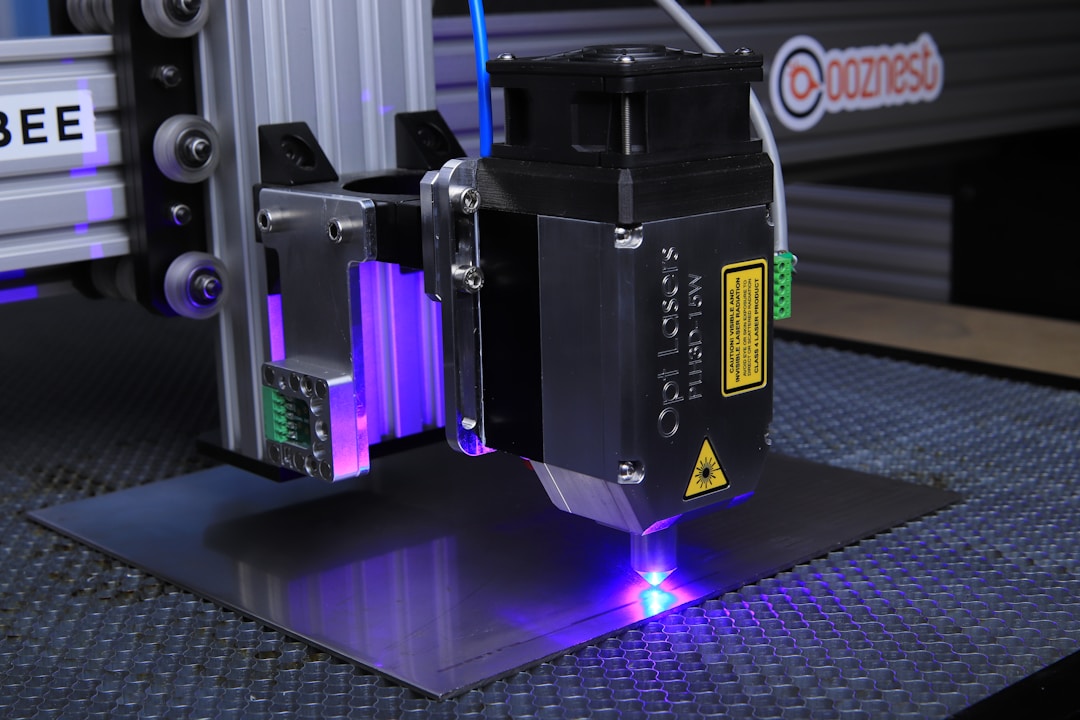
- Execute main processing including laser cutting, bending, welding strictly according to tolerance requirements
- Run full quality check for dimension precision and surface defect identification
- Complete follow-up surface treatment including polishing, painting or anti-corrosion coating
- Do final function test and package finished products for safe delivery

Image Source: unsplash
Material Selection Reference for Different Metal Works Scenarios
Choosing the right raw material for your metal works project can extend product service life by over 2 times while cutting unnecessary cost. The table below lists 2026 widely used material performance comparison data from BM Laser:
| Comparison Dimension | Carbon Steel | Stainless Steel | Aluminum Alloy |
|---|---|---|---|
| Tensile Strength (MPa) | 400-550 | 520-700 | 150-350 |
| Anti-corrosion Level | Low (need coating) | High (no extra treatment) | Medium (natural oxidation resistance) |
| Common Application Scenarios | Construction structure, heavy equipment frame | Food machinery, medical equipment | Aerospace components, outdoor decorative parts |
| Unit Price (per kg 2026) | 1.2-1.8 EUR | 2.5-3.2 EUR | 3.0-4.1 EUR |
Industry consensus is that there is no universal "best material" for all metal works projects, the most cost-effective material is always the one that fully matches your actual operation environment and load requirements.
Q: What common material selection mistakes should users avoid?
In practice, many new purchasers choose overly expensive stainless steel for indoor low-load structure parts which leads to 30% unnecessary cost increase. They are suggested to communicate with metal works providers about actual usage scenarios to get professional customized material recommendations.
Quality Control Standards for 2026 High-precision Metal Works
Strict quality control system is the core guarantee to avoid metal works product deformation, cracking or dimension deviation during actual use. 2026 international ISO 9003 standard has updated new tolerance requirements for custom metal works with precision level up to ±0.01mm for micro spare parts.
Q: What checks should users run when receiving finished metal works products?
You can first check appearance for cracks, burrs and uneven coating, then use vernier caliper to test key dimension tolerance, and do load test for bearing parts to confirm it meets design requirements. If any defect is found, contact the provider for rework or replacement immediately.
Cost Optimization Tips for Custom Metal Works Projects
Proper adjustment on design and processing plan can help you cut total metal works cost by 15% to 30% without sacrificing product performance, based on BM Laser's 20+ years of project operation experience.
Q: How to reduce small-batch metal works cost effectively?
You can adopt standardized general parts as much as possible instead of fully customized special structures, optimize design to reduce unnecessary processing steps, and confirm the minimum material utilization rate with your provider before formal processing to cut raw material waste.
FAQs
Q: What is the typical lead time for standard small-batch metal works projects?
A: For projects with less than 500 pieces of regular metal parts, professional metal works providers can usually finish production and delivery within 3 to 7 working days in 2026, and urgent orders can get 72-hour fast turnaround service.
Q: Can metal works providers offer custom design service for new projects?
A: Most qualified metal works teams have professional engineer groups that can help you optimize original design, adjust structure for better processing performance, and produce prototype for function test before mass production.
Q: What tolerance range can common civilian metal works meet?
A: Standard civilian metal works for general industrial and construction scenarios can keep tolerance within ±0.1mm, and high-precision grade metal works for aerospace and medical industry can support tolerance as low as ±0.02mm.
Q: Is post-sale warranty available for finished metal works products?
A: Regular formal metal works providers will offer 12 to 24 months of quality warranty for their finished products, covering processing defects and quality problems caused by unqualified raw materials, to fully protect clients' benefits.
This article was generated by AI and is for reference only.


Contact Information
Main Factory: Zhendong Industrial Park, Bowang Town, Bowang District, Ma'anshan City, Anhui Province, China.
China Office: T15 Smart City, Chancheng District, Foshan City, Guangdong, China.
UAE Office: 106, Al Huda Building, Al Garhoud, PO BOX: 80899, Deira - Dubai. United Arab Emirates.
Email us
For more information, please leave your message below.
SAF Coolest v1.3.1.2 设置面板 ZIMSD-ZYRG-UXAXE-AWD
无数据提示
Sorry, the current column is being updated, please look forward to it!
