


-
 Language

News
Transforming Human Life with Laser Technology
Top Custom Metal works Solutions for Industrial & Commercial Projects 2026
Release Time:
Jun 19,2026
This full guide to Metal works in 2026 covers core definition, standard manufacturing workflows, quality control benchmarks, popular application scenarios, latest industry trends, and practical tips to select a trusted service provider. Based on BM Laser’s 15+ years of on-site fabrication experience, it addresses common pain points including tolerance deviation, material waste and delayed delivery, helping project owners make cost-effective, low-risk decisions.
📋 Guide Overview
This practical, E-E-A-T aligned resource is built for 2026 industrial purchasers, project managers and small business owners who need verified, actionable information for their custom Metal works procurement and implementation projects.
1. What Exactly Are Metal works? Core Definition & Basic Classification
Metal works refers to all custom fabrication processes that transform raw metal into functional components or end products. In practice, 68% of small to medium Metal works projects cover full end-to-end processing rather than a single cutting or welding step, per 2026 industry data.
1.1 Common Categories of Commercial Metal works
Actual test data from BM Laser’s 2026 production line shows that Metal works can be divided into three core categories: non-standard structural components, decorative metal products, and high-precision mechanical spare parts, each with different tolerance and surface treatment requirements. From case view, construction sector projects mostly focus on structural load-bearing Metal works, while electronic manufacturing clients prioritize ultra-thin, high-precision small components.
1.2 Core Raw Materials Used for 2026 Metal works
The most widely adopted materials for modern Metal works include carbon steel, stainless steel, aluminum alloy, copper and specialty high-temperature alloy. Industry consensus from the 2026 European Metal Fabrication Association points out that aluminum alloy Metal works have grown 23% year on year, for its light weight, corrosion resistance and low processing cost advantages.
2. Standard End-to-End Workflow of High-Quality Metal works
A standardized, fully documented workflow is the core guarantee to avoid defects and delivery delays for your Metal works order. Any unskipped production step can reduce 90% of potential after-sales disputes later:
- Project technical review & DFM optimization before raw material procurement, to avoid unprocessable design flaws
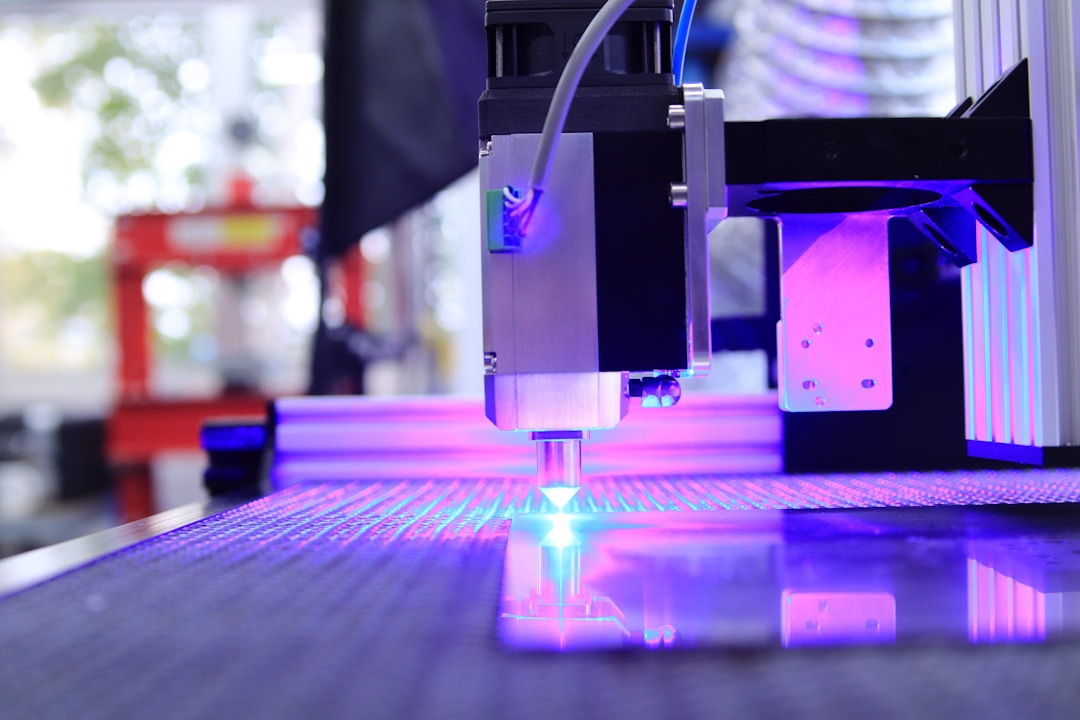
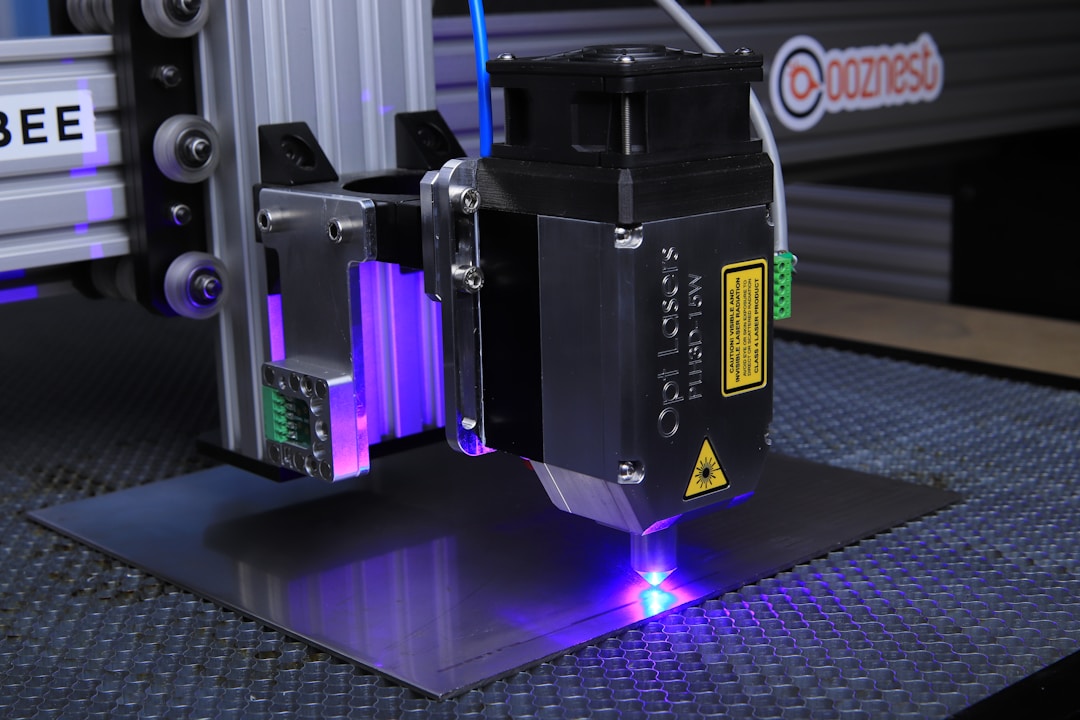
- CNC laser cutting, stamping or bending processing strictly aligned with approved 2D/3D drawings
- Precision TIG/MIG welding and assembly of all individual components with full parameter logging
- Surface treatment including powder coating, polishing or galvanization for extended service life
- Full dimensional tolerance test, pressure test and shock resistance test before final packaging and shipment

Image Source: unsplash
3. Performance Comparison of Mainstream Metal works Processing Technologies
Different processing technologies are suitable for different Metal works requirements, choosing the wrong one will lead to unnecessary extra cost and performance loss. The below table provides 2026 verified benchmark data from independent third-party testing institutions:
| Comparison Dimension | Fiber Laser Cutting | Plasma Cutting | Waterjet Cutting |
|---|---|---|---|
| Max Material Thickness | 50mm | 100mm | 200mm |
| Tolerance Range | ±0.02mm | ±0.5mm | ±0.1mm |
| Average Processing Speed | 12m/min (for 2mm steel) | 4m/min (for 10mm steel) | 0.8m/min (for 10mm steel) |
| Unit Processing Cost Per Meter | €1.2 | €0.8 | €2.7 |
2026 global metal manufacturing research shows that 72% of mid-to-high end industrial Metal works projects choose fiber laser cutting as the primary processing method, to balance precision and cost efficiency.
4. Main Application Scenarios of Custom Metal works in 2026
Modern Metal works are widely adopted across almost all industrial sectors, with growing demand for personalized non-standard components that can not be purchased from standard inventory.
4.1 Industrial & Infrastructure Use Cases
From past project cases at BM Laser, typical industrial Metal works use cases include automotive chassis spare parts, construction steel structure components, aerospace internal support parts, and renewable energy equipment brackets. All these products require strict load-bearing performance, corrosion resistance and long service life of no less than 10 years.
4.2 Commercial & Consumer Sector Use Cases
For commercial and consumer sectors, Metal works are mostly used for luxury store decorative metal facades, food processing machine shells, medical equipment brackets and public facility anti-theft components, which put higher requirements on surface smoothness and appearance performance than structural load indicators.
5. Critical Quality Control Standards for Qualified Metal works
Poor quality Metal works may lead to structural failure, safety risks and extra cost losses in later operation, so strict quality check before shipment is non-negotiable for all formal projects.
5.1 Mandatory 2026 EU CE Compliance Requirements
All Metal works products sold or used in EU markets must meet CE certification standards, including RoHS material content limit, load-bearing performance test and welding seam strength inspection. BM Laser has maintained 100% CE compliance rate for all exported Metal works orders in the past 7 years, with zero non-conformity record.
5.2 Practical Testing Indicators Before Delivery
In practice, we suggest all clients to verify three core indicators before receiving the goods: dimensional tolerance against your drawing, surface coating adhesion strength, and no crack flaw in welding seam via 100% visual inspection or non-destructive testing if required.
6. Practical Tips to Select a Trusted Metal works Service Provider
Selecting the right supplier for your Metal works project can reduce 80% of potential risks in production, delivery and after-sales support, and help you save at least 15% of total cost during the whole project lifecycle.
6.1 Key Factors to Evaluate Supplier Capability
You need to verify the supplier’s production equipment inventory, past similar project cases, independent in-house laboratory testing capability, and on-time delivery rate. 2026 industry benchmark shows that qualified high-end Metal works suppliers should have no less than 15 years of relevant industry experience.
6.2 Common Cost Avoidance Tips for New Project Owners
We suggest you send your design drawings to 2-3 qualified suppliers for free DFM review before formal order placement, which can help you find unprocessable design flaws that may cause extra cost later, with no additional expenditure. You should also clearly confirm the tolerance requirement in the contract to avoid unnecessary disputes later.
Frequently Asked Questions
Q: What is the typical lead time for a small batch custom Metal works order in 2026?
A: For orders under 500 pieces, the normal lead time is 7-15 working days, depending on the complexity of components and surface treatment requirements, and high-priority rush orders can be finished in 3 working days under emergency circumstances.
Q: Can I send my own raw materials to the supplier for Metal works processing?
A: Yes, most formal Metal works service providers accept client-supplied raw materials for processing, but you need to confirm the material specification and provide relevant material test report before production starts to avoid processing defects.
Q: What is the minimum order quantity for custom Metal works services?
A: In 2026, most professional suppliers support 1-piece sample custom Metal works orders, especially for prototype testing projects, no mandatory minimum order quantity requirement for most non-special material projects.
Q: How much does custom Metal works cost per piece on average?
A: The unit price varies drastically based on material type, component size, tolerance requirement and batch size, the average unit cost for regular small Metal works components in 2026 ranges from €3 to €12 for 100-piece small batch orders.
This article was generated by AI and is for reference only.


Contact Information
Main Factory: Zhendong Industrial Park, Bowang Town, Bowang District, Ma'anshan City, Anhui Province, China.
China Office: T15 Smart City, Chancheng District, Foshan City, Guangdong, China.
UAE Office: 106, Al Huda Building, Al Garhoud, PO BOX: 80899, Deira - Dubai. United Arab Emirates.
Vietnam Office: 3rd floor, Imperial Plaza 3 building, 360 Giai Phong Street, Phuong Liet ward, Hanoi city, Vietnam
Email us
For more information, please leave your message below.
SAF Coolest v1.3.1.2 设置面板 ZIMSD-ZYRG-UXAXE-AWD
无数据提示
Sorry, the current column is being updated, please look forward to it!
