


-
 Language

News
Transforming Human Life with Laser Technology
Unlocking the Power of Machinery in Industrial Solutions
Release Time:
Apr 12,2026
Explore how machinery can revolutionize various industries with innovative solutions.

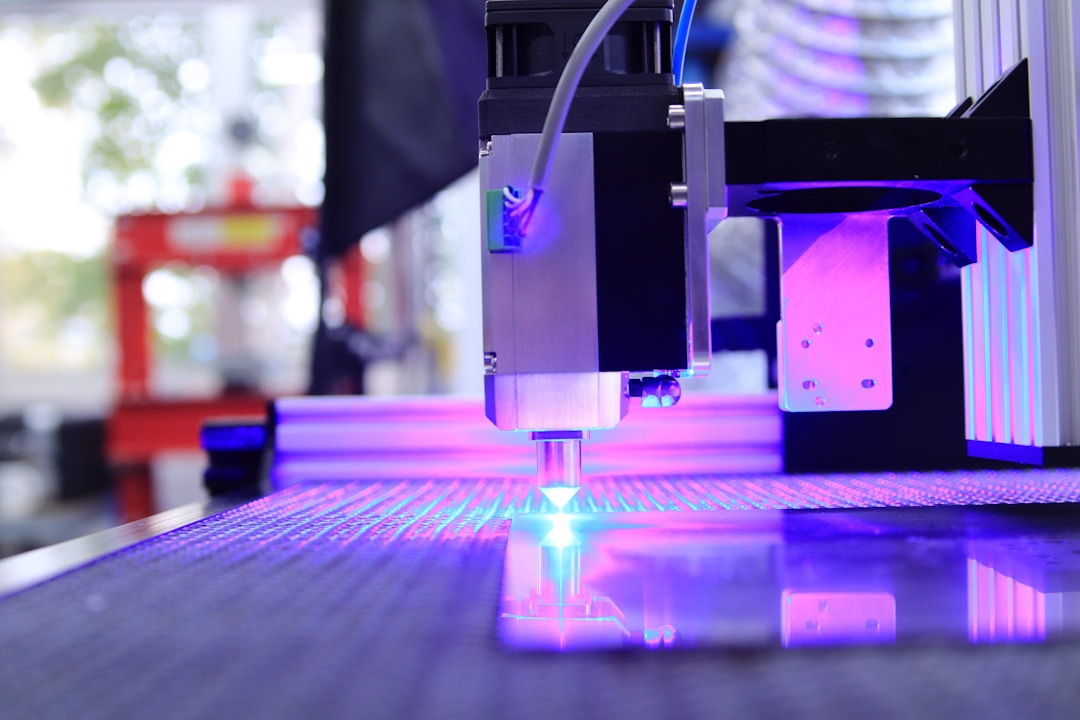
Image Source: unsplash
Introduction to Machinery
When we talk about machinery, we're diving into the heart of many industries that power our world. From construction sites bustling with activity to factories humming with precision, machinery plays a pivotal role in enhancing productivity and efficiency.
The Evolution of Machinery
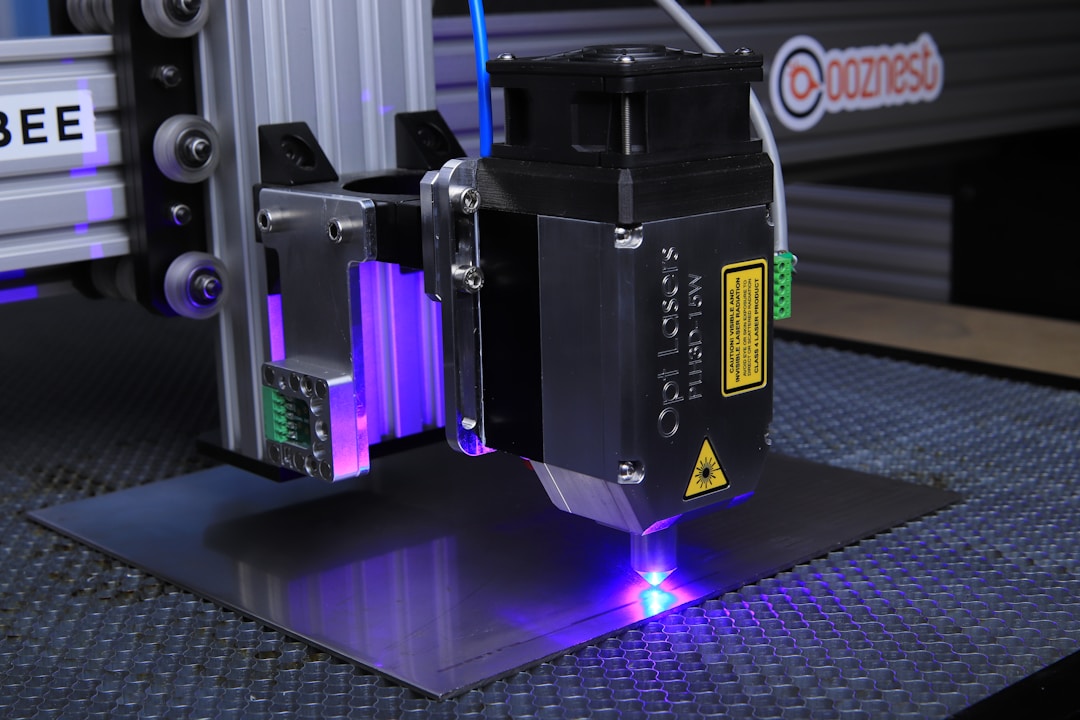
Ah, the journey of machinery! It's a tale of innovation and adaptation. Remember the steam engine? That was just the tip of the iceberg. Fast forward to today, and we have robotics, CNC machines, and AI-driven systems that not only automate tasks but also improve accuracy. It's like watching magic unfold!
Types of Machinery
Not all machinery is created equal. Here's a quick rundown of the major types that are transforming industries:
- Heavy Machinery: Think earth movers and cranes. These beasts are essential for construction projects.
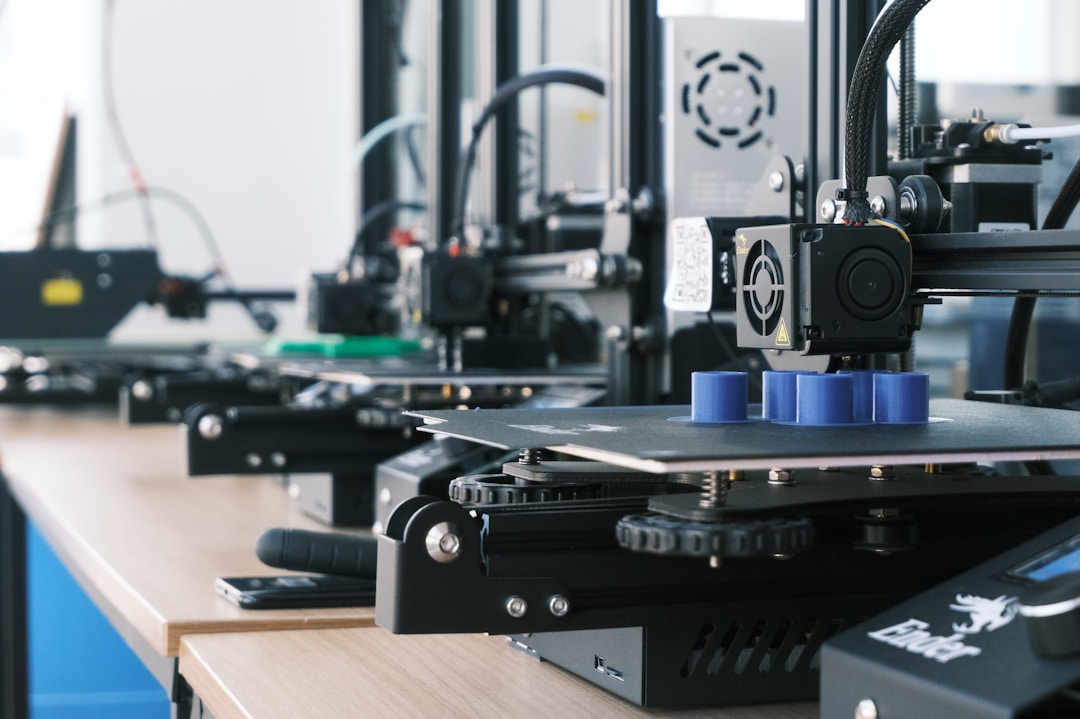
- Manufacturing Machinery: Assembly lines wouldn't exist without these machines. They streamline production and reduce human error.
- Agricultural Machinery: From tractors to harvesters, these machines have revolutionized farming, making it more efficient and less labor-intensive.
- Service Machinery: In the service industry, machinery like automated kiosks and dishwashers are becoming increasingly common, enhancing customer experience.
Benefits of Integrating Machinery
So, why should industries invest in machinery? Well, it's simple—efficiency and cost-effectiveness. With the right equipment, companies can:
- Reduce operational costs.
- Increase production speed.
- Enhance product quality.
- Improve workplace safety.
Real-World Examples
Let's look at a couple of examples. A construction company that incorporates advanced machinery can complete projects in half the time, leading to increased profits. Similarly, a manufacturer that uses automation technology can produce higher quantities without compromising quality, thus capturing a larger market share.
Challenges in Machinery Adoption
But wait! It's not all smooth sailing. Adopting new machinery can be a bumpy ride. Companies might face challenges like:
- High initial investment costs.
- Need for skilled operators.
- Maintenance and downtime issues.
However, overcoming these hurdles can lead to significant long-term gains.
The Future of Machinery
Looking ahead, the future of machinery is bright. With the rise of smart technology, we're talking about machines that can learn and adapt. Imagine a factory where machinery communicates with each other to optimize production in real-time. Exciting, right?
Conclusion
In summary, machinery is not just about gears and levers; it's a dynamic force driving industries forward. By embracing innovation and adapting to new technologies, businesses can harness the full potential of machinery, paving the way for a more efficient future.


Contact Information
Main Factory: Zhendong Industrial Park, Bowang Town, Bowang District, Ma'anshan City, Anhui Province, China.
China Office: T15 Smart City, Chancheng District, Foshan City, Guangdong, China.
UAE Office: 106, Al Huda Building, Al Garhoud, PO BOX: 80899, Deira - Dubai. United Arab Emirates.
Email us
For more information, please leave your message below.
SAF Coolest v1.3.1.2 设置面板 ZIMSD-ZYRG-UXAXE-AWD
无数据提示
Sorry, the current column is being updated, please look forward to it!
