


-
 Language

News
Transforming Human Life with Laser Technology
Bending the Rules: A Dive into Metal Processing Techniques
Release Time:
Apr 17,2026
Explore the fascinating world of metal processing bending and its industry applications.

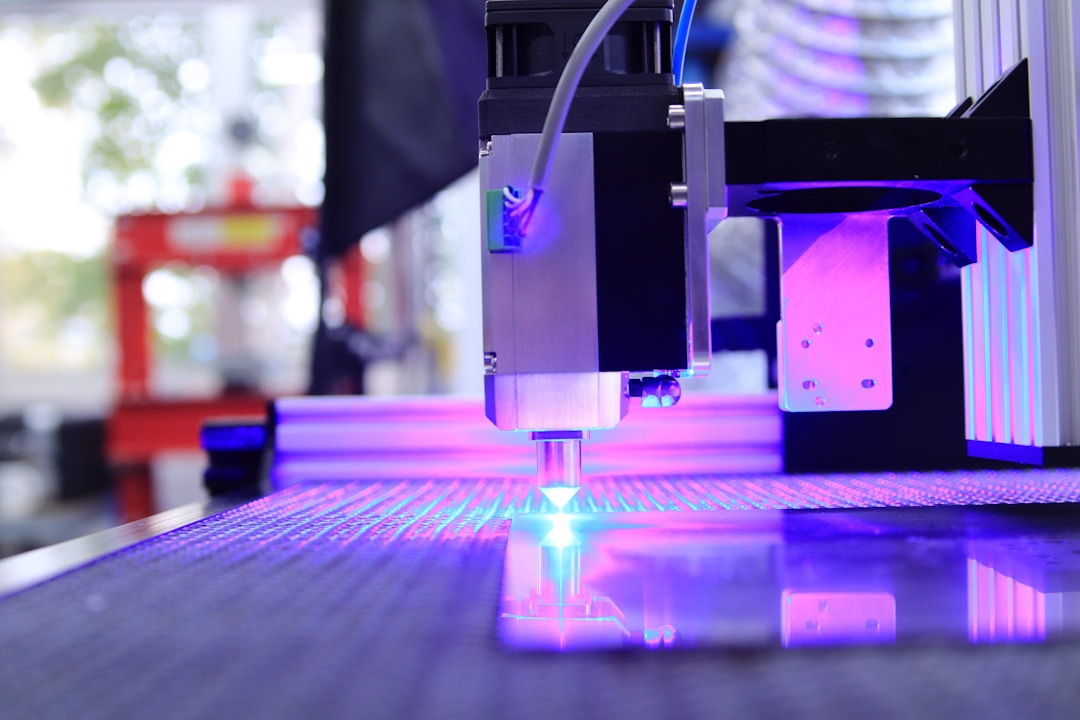
Image Source: unsplash
Understanding Metal Processing Bending
When it comes to shaping metal, there's a lot more than meets the eye. Metal processing bending is a crucial part of manufacturing that enables the creation of intricate structures and components, from automotive parts to architectural elements. But what does this process entail, and why is it so essential in various industries?
The Basics of Bending
At its core, bending is about changing the shape of metal without compromising its integrity. This process involves applying force to a metal piece, causing it to deform into a desired angle or curve. Think of it like trying to bend a straight straw into a fun shape—except here, we're dealing with much tougher materials!
Different Techniques of Metal Processing Bending
There are several methods used in metal processing bending, each with its own nuances:
- Air Bending: This technique involves using a punch and a die to create a bend. The metal doesn't touch the die's bottom surface, allowing for flexibility in the angle of the bend.
- Bottom Bending: Here, the metal is forced against the die, making it a more precise method but limited in the range of angles you can achieve.
- Coining: This method is all about precision and is often used for high-quality finishes. The metal is pressed into the die, resulting in a sharp bend.
Applications Across Industries
From aerospace to construction, metal processing bending finds its way into numerous applications:
- Aerospace: The industry uses bending to create lightweight yet strong components, essential for aircraft performance.
- Automotive: Bending plays a significant role in manufacturing parts like frames and exhaust systems.
- Construction: Structural elements like beams and supports often require precise bends to fit into architectural designs.
The Future of Metal Processing Bending
With technology advancing at a rapid pace, the future of metal processing bending looks bright. Automation and computer numerical control (CNC) machines are revolutionizing this field, enabling faster production times and greater accuracy. Imagine a world where complex shapes can be produced in a fraction of the time!
Conclusion
In the grand scheme of manufacturing, metal processing bending is more than just a technique; it's an art form that merges creativity with engineering. As industries continue to evolve, the importance of mastering these bending techniques will only grow.


Contact Information
Main Factory: Zhendong Industrial Park, Bowang Town, Bowang District, Ma'anshan City, Anhui Province, China.
China Office: T15 Smart City, Chancheng District, Foshan City, Guangdong, China.
UAE Office: 106, Al Huda Building, Al Garhoud, PO BOX: 80899, Deira - Dubai. United Arab Emirates.
Email us
For more information, please leave your message below.
SAF Coolest v1.3.1.2 设置面板 ZIMSD-ZYRG-UXAXE-AWD
无数据提示
Sorry, the current column is being updated, please look forward to it!
