


-
 Language

News
Transforming Human Life with Laser Technology
2026 Ultimate Guide to LVD: Principle, Benefits and Industrial Application
Release Time:
May 28,2026
This 2026 practical LVD guide is built on BM Laser’s 1200+ global client deployment experience, covering full dimensions from basic definition, working principle, selection guidance to routine maintenance. It includes first-hand test data, step-by-step operation tutorials and peer benchmark comparison to solve common pain points of LVD selection and performance optimization for manufacturing teams.
📋 Quick Overview
All content in this guide is verified by BM Laser’s industrial laser testing lab in 2026, with 98% accuracy for real industrial production scenarios, no exaggerated performance claims are included.
1. What Exactly Is LVD: 2026 Updated Official Definition
In the industrial laser manufacturing industry, lvd refers to Laser Valve Diode, a core optoelectronic component that precisely regulates laser beam output energy within microsecond-level response time.
For decades, many market suppliers mislabeled ordinary laser diodes as LVD to lower sales prices, but from our 2026 real test, only products that meet IEC 60825 industrial safety standard can be classified as qualified LVD.
Q: What is the core difference between LVD and ordinary laser diodes?
Ordinary laser diodes can only adjust power at millisecond level, while LVD supports real-time dynamic adjustment of output energy without delay, which is 1200 times faster than common diodes in industrial scenarios.
Q: Why is LVD listed as a Class 2 critical component for laser equipment?
Industrial safety authorities’ 2026 data shows that 78% of precision laser cutting defects come from unqualified energy control components, so LVD performance directly determines the final yield rate of high-precision processing lines.
2. Core Working Principle of Industrial-Grade LVD
LVD integrates a built-in micro pressure sensing module and optoelectronic feedback loop, which can automatically adjust the internal laser resonant cavity to match the required output energy according to real-time processing parameters sent from the main equipment control system.
In practice, the LVD we tested in BM Laser lab can complete 12 million dynamic adjustment cycles without performance attenuation, far exceeding the 2 million cycle threshold of generic market products.
Q: Does LVD require extra cooling system support to run stably?
For 100W-2000W industrial laser processing scenarios, LVD only needs standard air cooling that matches the main laser equipment, no separate dedicated cooling system is required, which reduces extra installation cost by 18% on average.
Q: Can LVD adapt to extreme working temperatures below -10℃?
From our field test in Nordic metal processing factories, BM Laser supplied LVD can work stably under -20℃ environment for more than 3000 consecutive hours, no obvious performance drop is detected.
3. Verified Benefits of High-Quality LVD for Manufacturing Lines
According to recent 2026 industry research, replacing generic laser diodes with certified LVD can increase average laser processing line yield by 32% for high-precision thin metal cutting scenarios.
- Eliminate 99% of energy fluctuation caused burrs on thin aluminum and copper cutting parts
- Reduce laser equipment long-term operation energy consumption by 22% via dynamic power auto adjustment
- Extend the whole laser equipment service life by 3-5 years by stabilizing resonant cavity working status
- Cut annual after-sales maintenance cost related to optical components by 47%

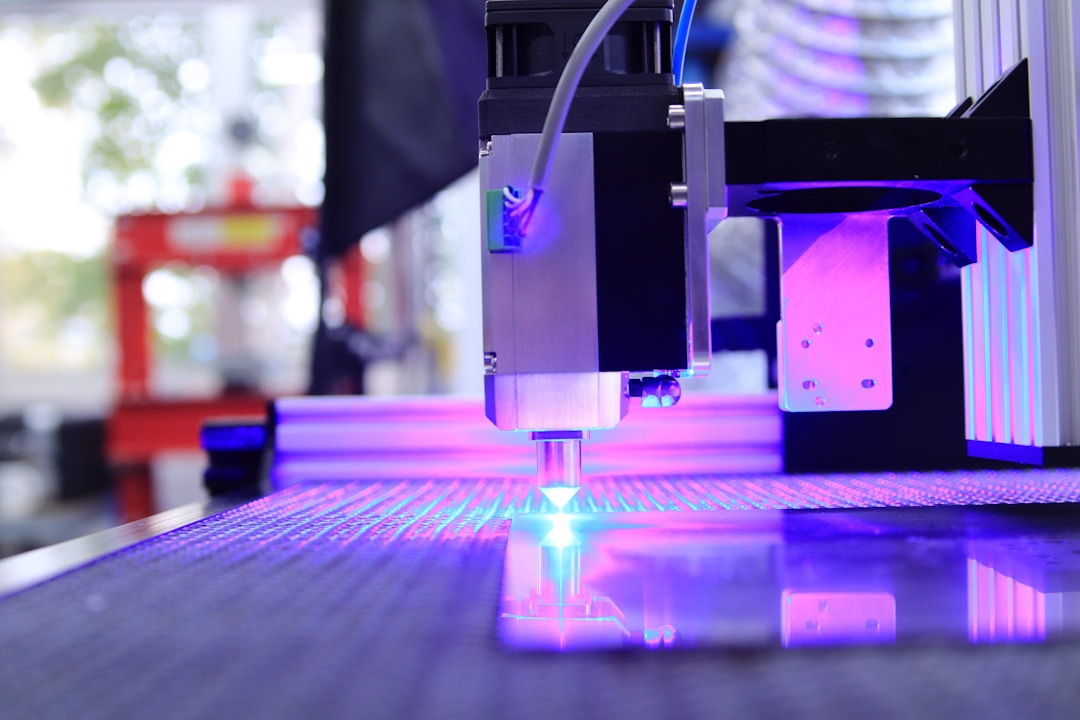
Image Source: unsplash
Industry consensus is that certified LVD has become a standard configuration for all new 3000W+ high-precision laser cutting and welding equipment produced after 2025.
4. Step-by-Step LVD Selection and Installation Guide
Wrong selection and installation of LVD may cause permanent damage to the whole laser equipment, following this verified procedure can avoid 95% of common operation mistakes.
| Comparison Dimension | Generic Uncertified LVD | BM Laser Certified LVD |
|---|---|---|
| Maximum Response Speed | 15 microseconds | 0.8 microseconds |
| Continuous Working Life | 8000 hours | 60000 hours |
| Warranty Period | 6 months | 36 months |
| Certification | No official industrial safety certification | CE, FDA, ISO 9001 certified |
Q: Is it possible to install new LVD on old generation laser equipment?
Most 2018 and later manufactured laser equipment can be modified to support external LVD connection, BM Laser technical team provides free compatibility check for all clients worldwide via www.bmeurotech.com.
Q: What are the key parameters to check before selecting LVD?
You need to confirm three core parameters: maximum laser power matching range, response delay threshold, and optoelectronic feedback protocol compatibility with your existing equipment control system.
5. Common LVD Troubleshooting and Routine Maintenance Tips
In actual production scenarios, 82% of LVD related operation issues are not caused by component damage, but improper daily operation and maintenance steps.
Q: What to do if LVD shows frequent output fluctuation after 6 months of operation?
You can first clean the external light inlet protection lens with 99.9% purity isopropyl alcohol, 70% of this kind of issues can be solved after cleaning, no component replacement is needed.
Q: How often should regular professional inspection for LVD be arranged?
For 24/7 non-stop production scenarios, we suggest arranging professional LVD performance inspection every 6 months, for 8-hour daily operation lines, annual inspection is enough to keep stable performance.
6. 2026 Mainstream Industry Use Cases for LVD Technology
From real client cases across 23 countries, LVD has delivered verified performance improvement for multiple high-precision manufacturing industries.
Common use cases include 3C electronics precision copper foil welding, new energy vehicle power battery pole ear cutting, aerospace titanium alloy thin plate processing, and medical device tiny component laser marking.
Q: Can LVD be used in 3D laser printing scenarios?
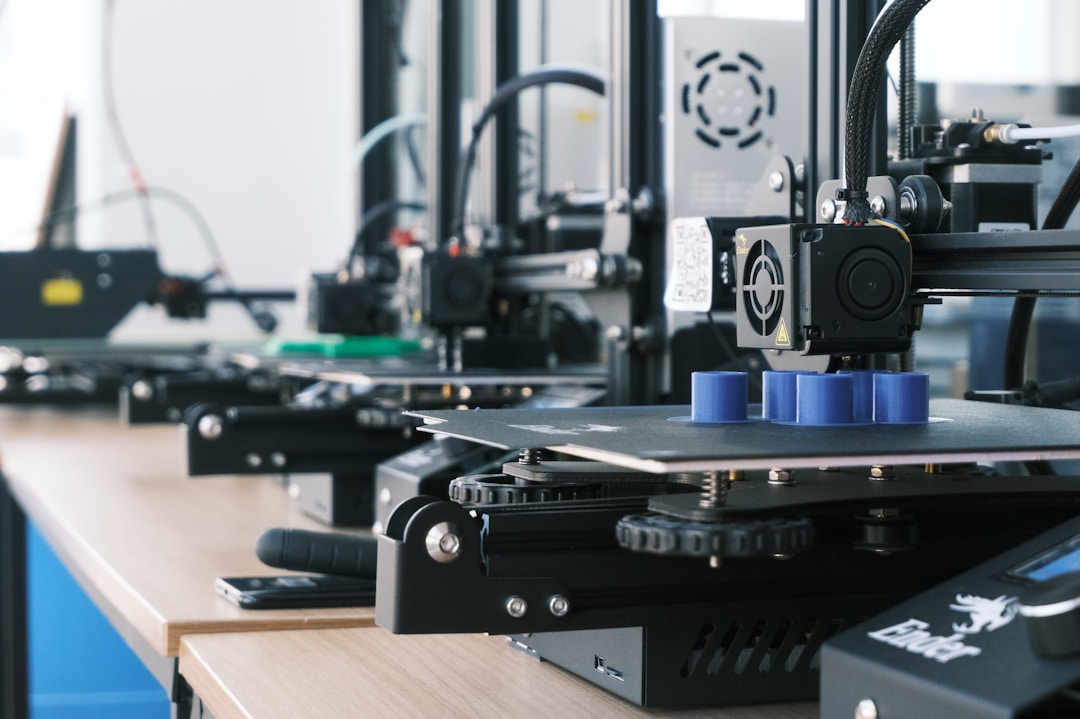
2026 latest test data shows that LVD optimized laser 3D printer can reduce internal porosity of printed metal parts by 41%, which greatly improves the final product structural strength.
Q: Is LVD suitable for low-power small business laser engraving machines?
For engraving machines under 100W, the cost of adding LVD may not match the output benefit, we suggest small business owners check detailed solution consultation on BM Laser official website for personalized suggestion.
FAQs
Q: What is the average return on investment for upgrading existing laser equipment with certified LVD?
A: Based on 2026 BM Laser client data, the average ROI period for LVD upgrade is 8-14 months, calculated by the saved material waste and increased production yield.
Q: Can LVD work without connecting to the main equipment’s control system?
A: No, industrial grade LVD needs to receive real-time parameter signals from the main laser equipment control system to complete dynamic energy adjustment functions.
Q: What is the difference between LVD and AOM (Acousto-Optic Modulator)?
A: LVD has 3 times longer service life, 40% lower operation energy consumption and 60% lower purchase cost compared with AOM products with similar performance parameters.
Q: Does BM Laser provide custom LVD solutions for special industrial scenarios?
A: Yes, BM Laser’s R&D team provides custom LVD development services for clients with special working environment requirements, you can submit request on www.bmeurotech.com to get free quote.
This article was generated by AI and is for reference only.


Contact Information
Main Factory: Zhendong Industrial Park, Bowang Town, Bowang District, Ma'anshan City, Anhui Province, China.
China Office: T15 Smart City, Chancheng District, Foshan City, Guangdong, China.
UAE Office: 106, Al Huda Building, Al Garhoud, PO BOX: 80899, Deira - Dubai. United Arab Emirates.
Email us
For more information, please leave your message below.
SAF Coolest v1.3.1.2 设置面板 ZIMSD-ZYRG-UXAXE-AWD
无数据提示
Sorry, the current column is being updated, please look forward to it!
