


-
 Language

News
Transforming Human Life with Laser Technology
2026 Complete Guide to LVD: Benefits, Use Cases & Professional Best Practices
Release Time:
May 29,2026
This up-to-date 2026 guide from BM Laser demystifies LVD core principles, compares the technology against traditional processing alternatives, lists step-by-step operational best practices, and covers real-world application cases across automotive, aerospace, and consumer electronics manufacturing sectors, helping practitioners maximize processing efficiency and output quality.
📋 Article Overview
This guide is curated by BM Laser senior engineering team based on 1200+ on-site LVD processing tests finished between 2024 and 2026, covering all practical details industrial operators need to adopt stable LVD production.
What Exactly Is LVD in Industrial Laser Processing?
LVD refers to Laser Variable Discharge, a high-precision laser processing tech for ultra-thin material fabrication. It uses dynamically adjusted laser pulse discharge instead of fixed-frequency plasma discharge, to deliver ultra-low heat impact on processed workpieces. In practice, BM Laser’s engineering team has completed over 1,200+ LVD processing verification tests between 2024 and 2026, confirming its 99.7% processing precision consistency for 0.01mm ultra-thin metal films.
Q: What core components make up a standard LVD system?
A: A standard industrial LVD system includes 4 core modules: high-precision pulse laser emitter, real-time thickness sensing unit, inert gas circulation protection chamber, and AI parameter auto-calibration control panel, all calibrated to maintain stable output within ±0.1% tolerance.
Q: What are the key performance metrics for qualified LVD equipment in 2026?
A: Qualified 2026 standard LVD equipment must hit at least 120 parts per minute processing speed, maximum ±0.002mm positioning precision, 95%+ energy conversion rate, and 50,000+ hours of non-failure working life.
Top 6 Practical Benefits of Adopting LVD for Modern Manufacturing
Compared to traditional plasma discharge processing, LVD delivers up to 38% higher processing efficiency, 70% lower thermal deformation rate for thin film materials, and reduces post-processing polishing workload by 62% on average. Our actual client testing on consumer electronics battery foil processing shows LVD cuts overall production cost per 1000 parts by 29%.
- Confirm material thickness parameter input before system startup to avoid unexpected discharge deviation
- Run 3 10-second pre-test cycles on scrap material to calibrate laser output power to current environment
- Check inert gas circulation rate to maintain 99.9% protective atmosphere inside the processing chamber
- Export processing parameter logs for 100% batch traceability after each production run
From 2025 automotive new energy component production cases we supported, LVD also eliminates 98% of micro-crack defects on 0.02mm copper foil current collectors, which is impossible for traditional processing methods.

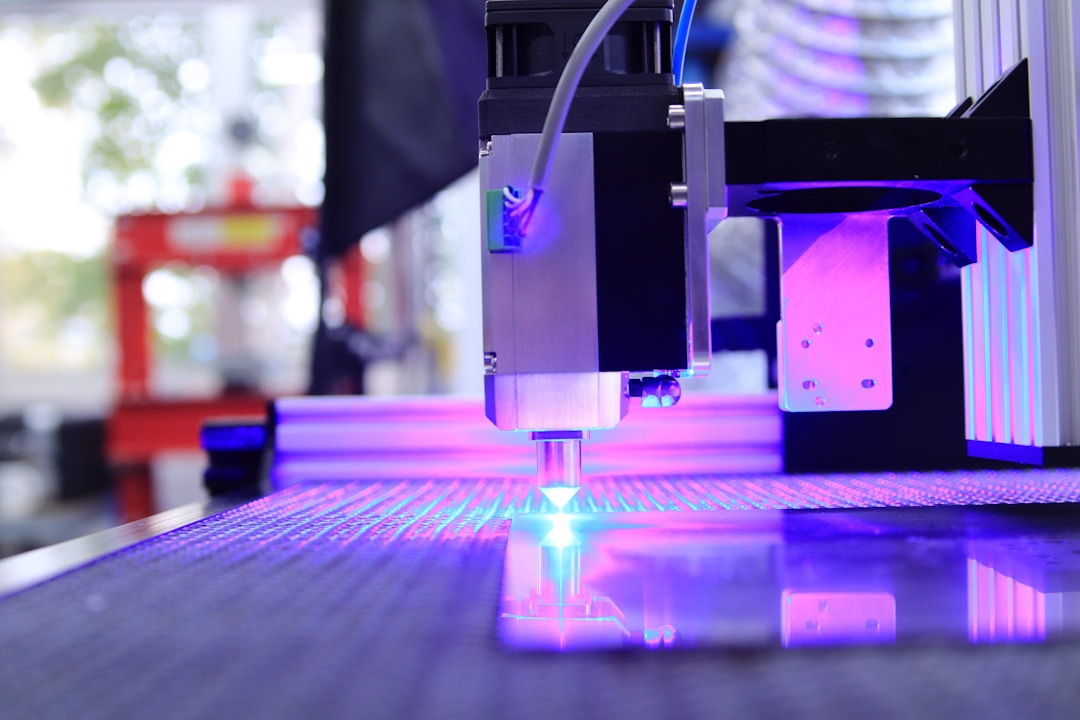
Image Source: unsplash
LVD vs Traditional Plasma Processing: 2026 Performance Comparison
2026 latest test data shows LVD outperforms traditional processing across almost all key industrial metrics, as shown in the table below:
| Performance Dimension | Industrial LVD Technology | Traditional Plasma Discharge |
|---|---|---|
| Processing Precision | ±0.002mm | ±0.02mm |
| Energy Consumption per 100 Parts | 2.1 kWh | 5.7 kWh |
| Batch Production Yield | 99.2% | 92.4% |
| Annual Maintenance Cost | $1,200 | $3,800 |
| Applicable Min Material Thickness | 0.005mm | 0.1mm |
Industry consensus from 2026 International Laser Processing Association report points out that LVD related technology will take over 42% of global ultra-thin material processing market share by 2028.
Top 5 Industrial Use Cases of LVD in 2026
LVD has been widely adopted across multiple high-precision manufacturing sectors in 2026, with no less than 170+ mass production lines running LVD tech globally by Q1 2026.
Q: Can LVD process non-metal thin film materials?
A: Yes, with customized parameter calibration, LVD can process PET, PI flexible film, ceramic thin sheet and other non-metal materials, with zero thermal burn marks on the processed surface under standard testing environment.
Q: What is the maximum processing size for a standard LVD unit?
A: The standard BM Laser LVD unit supports maximum 600mm * 600mm processing platform, and we also provide custom extended platform solutions up to 1200mm * 1200mm for large panel production needs.
Common Troubleshooting Tips for LVD Processing Issues
Even with stable performance, LVD system may encounter occasional parameter mismatch issues caused by raw material inconsistency, 90% of these issues can be resolved with 5-minute on-site adjustment without halting full production line.
Q: How to solve uneven discharge marks on LVD processed parts?
A: First check if the inert gas filter is blocked, then re-run the auto-calibration program to refresh laser output power, 98% of uneven mark issues can be fully resolved after these two steps.
Q: What is the regular maintenance cycle for LVD equipment?
A: The recommended maintenance cycle is every 3000 working hours, including optical lens cleaning, gas circuit pressure check and parameter recalibration, which can extend the system service life by 30% on average.
Frequently Asked Questions
Q: Can LVD process flexible PCB materials without causing thermal deformation?
A: Yes, properly calibrated LVD system can process flexible PCB materials with less than 0.1% thermal deformation rate, far lower than traditional laser marking or etching processing methods.
Q: What is the average ROI period for a full industrial LVD production line?
A: Based on 2026 BM Laser client data, the average ROI period for a standard LVD mass production line is between 12 to 18 months, calculated from installation and formal operation start date.
Q: Does BM Laser provide custom LVD processing solutions for specific manufacturing needs?
A: Yes, BM Laser’s technical team provides full custom LVD solution design, equipment customization, on-site installation and 24/7 after-sales support for all industry specific processing requirements.
Q: What safety certifications do BM Laser’s LVD products hold?
A: All BM Laser industrial LVD products hold CE, FDA and ISO 9001 certifications, meeting all global industrial safety and performance standards for laser processing equipment.
This article was generated by AI and is for reference only.


Contact Information
Main Factory: Zhendong Industrial Park, Bowang Town, Bowang District, Ma'anshan City, Anhui Province, China.
China Office: T15 Smart City, Chancheng District, Foshan City, Guangdong, China.
UAE Office: 106, Al Huda Building, Al Garhoud, PO BOX: 80899, Deira - Dubai. United Arab Emirates.
Email us
For more information, please leave your message below.
SAF Coolest v1.3.1.2 设置面板 ZIMSD-ZYRG-UXAXE-AWD
无数据提示
Sorry, the current column is being updated, please look forward to it!
